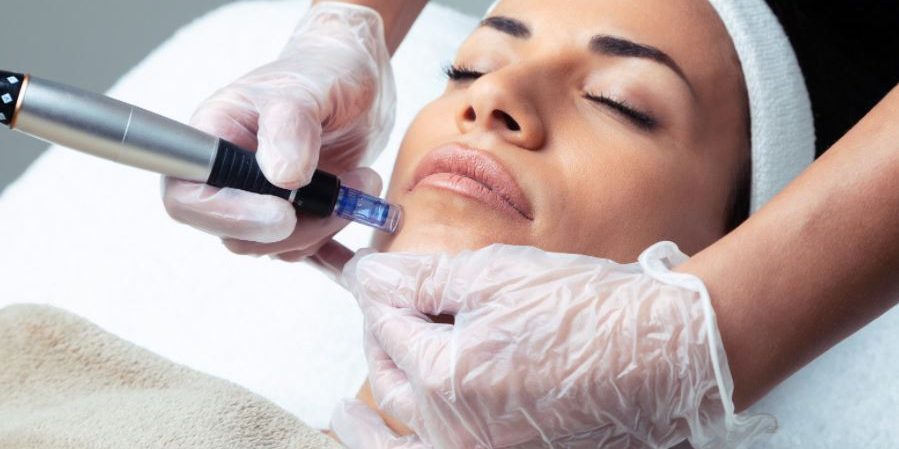
When a client comes to the salon with acne scars, stubborn dark spots or the loss of firmness that arrives with the years, the answer often lies in a combination few people know well: Dermapen with electroporation mesotherapy. I've been using this protocol for years and, honestly, the results still surprise me. It's one of the reasons clients travel to see us, 25 minutes from central Madrid.
What is Dermapen and how does it work?
Dermapen is a medical-aesthetic device with a head of very fine microneedles that work at high speed, creating thousands of microchannels on the surface of the skin. It sounds aggressive put that way, but it's exactly the opposite: these controlled micro-injuries activate the skin's natural repair response.
When the skin detects these tiny "wounds", it fires up its regeneration machinery: it produces new collagen, elastin and growth factors. It's exactly what happens when we cut ourselves and heal, only in a controlled, superficial version — without the downside of a real wound.
What happens at cellular level: Fibroblasts (the cells responsible for producing collagen) are activated by the mechanical stimulus of the microneedles. In the following weeks, they produce type I and type III collagen — the very ones we lose with age.
Electroporation: the real secret
Here comes the part that makes this protocol special. Immediately after opening those microchannels with the Dermapen, we apply the chosen actives (vitamins, hyaluronic acid, peptides, growth factor…) and drive them into the skin via electroporation.
Electroporation uses low-intensity electrical pulses that temporarily increase the permeability of the cellular membrane. This isn't marketing: it's physics. Molecules that normally can't cross the epidermal barrier because of their size go straight to the layers where they need to act.
The difference compared with simply applying those actives on top of the skin is huge. Absorption jumps from 5–10% with conventional topical application to 70–80% with electroporation. The actives reach where they need to reach.
Step-by-step protocol: what happens during a session
What concerns is it especially indicated for?
How many sessions do I need, and how often?
It depends entirely on your goal and the state of your skin. As a general guide:
- Maintenance and prevention: 1 session every 4–6 weeks
- Acne scars: 4–6 sessions spaced 4 weeks apart
- Stubborn pigmentation: 3–4 sessions with a specific cocktail
- Intensive anti-ageing: 4 sessions over 2 months, then quarterly maintenance
The results are progressive. Neocollagenesis (new collagen production) continues for 4–6 weeks after each session, so the skin keeps improving between treatments.
What to expect after the session
It's normal for the skin to look pink for 24–48 hours, as if you'd had a mild sunburn. On more reactive skin it may last a little longer. Over the following days you'll notice your skin drier than usual: that's part of the regeneration process.
Essential aftercare: SPF 50 minimum for the next 7 days (even in winter), extra hydration, no make-up for the first 24 hours and no direct sun. No acids, retinol or exfoliants in the week that follows.
Contraindications: when it isn't suitable
- Mature skin or skin with signs of ageing
- Scars (acne, stretch marks)
- Dark spots and uneven tone
- Dehydrated or dull skin
- Dilated pores
- Active inflammatory acne
- Active herpes in the treatment area
- Pregnancy or breastfeeding
- Treatment with anticoagulants
- Skin with open wounds or irritation
My personal recommendation: If you're not sure whether this treatment is right for you, the most honest thing I can say is to come in for a consultation. I'll assess your skin, explain exactly what to expect and we'll design the most suitable protocol for your goals together. No obligation.