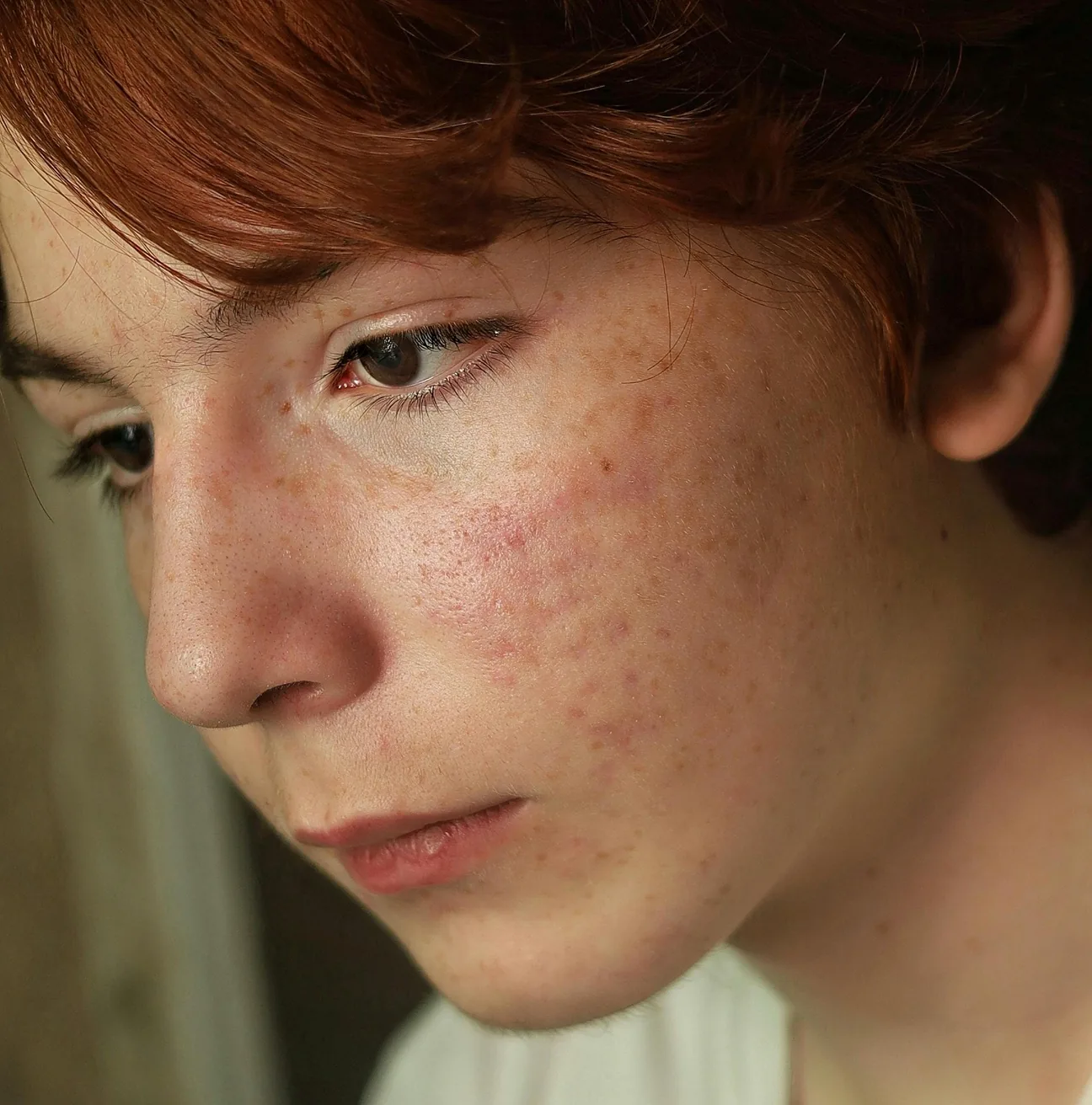
If you have sensitive skin or rosacea, you've probably been told many times that you "can't have aesthetic treatments". Half true, half myth. There are some you shouldn't have, but there are many others that are not only safe but genuinely improve your skin. The problem is that nobody ever sits down to tell you which ones. Here's the honest guide, from our salon 25 minutes from central Madrid.
Sensitive skin and rosacea: they are not the same thing
First, a distinction. They are two different things, though they can coexist:
Sensitive skin is a skin type that reacts easily to external triggers: cosmetics, temperature changes, stress, sun, certain foods. The symptoms are tightness, itching, stinging, occasional flushing and a burning sensation. It's a trait that usually improves with the right care.
Rosacea is a chronic dermatological condition that goes further. It's characterised by persistent redness, visible small vessels (telangiectasias), flare-ups with acne-like papules and pustules, and in advanced stages it can thicken the skin (rhinophyma). It needs dermatological follow-up.
Important: if you think you have rosacea, the first stop isn't an aesthetician, it's a dermatologist. Once it has been diagnosed and stabilised, many aesthetic treatments can help alongside the medical treatment. This article assumes your rosacea is already diagnosed and under control.
What you MUST NOT have (under any circumstances)
Let's start with the blacklist. These treatments are contraindicated for sensitive skin and especially for rosacea, because they can worsen the condition or trigger flare-ups:
- Aggressive chemical peels (TCA, phenol). They irritate an already reactive skin and can cause hyperpigmentation or flare-ups.
- Abrasive mechanical exfoliation: microdermabrasion, scrubs with large particles, hard brushes.
- Intense heat: facial saunas, prolonged steam, treatments that generate a lot of heat.
- High-intensity radiofrequency without a specific protocol. Heat dilates blood vessels.
- Cosmetics with alcohol, menthol, eucalyptus, citrus or strong fragrances.
- Very vigorous facial massage or excessive friction.
- Laser hair removal without a proper assessment: some devices are contraindicated for rosacea; others, on the contrary, can actually help it.
A clear sign a treatment isn't for you: if your skin is visibly redder at the end of the session than at the start and doesn't calm down within 24-48h, it wasn't the right one. A good treatment for sensitive skin leaves your skin calm or even calmer, never more irritated.
What you CAN (and should) have
Now the good part: there's a wide range of treatments that are not only safe for your skin, but genuinely improve the symptoms. These are the ones that work well:
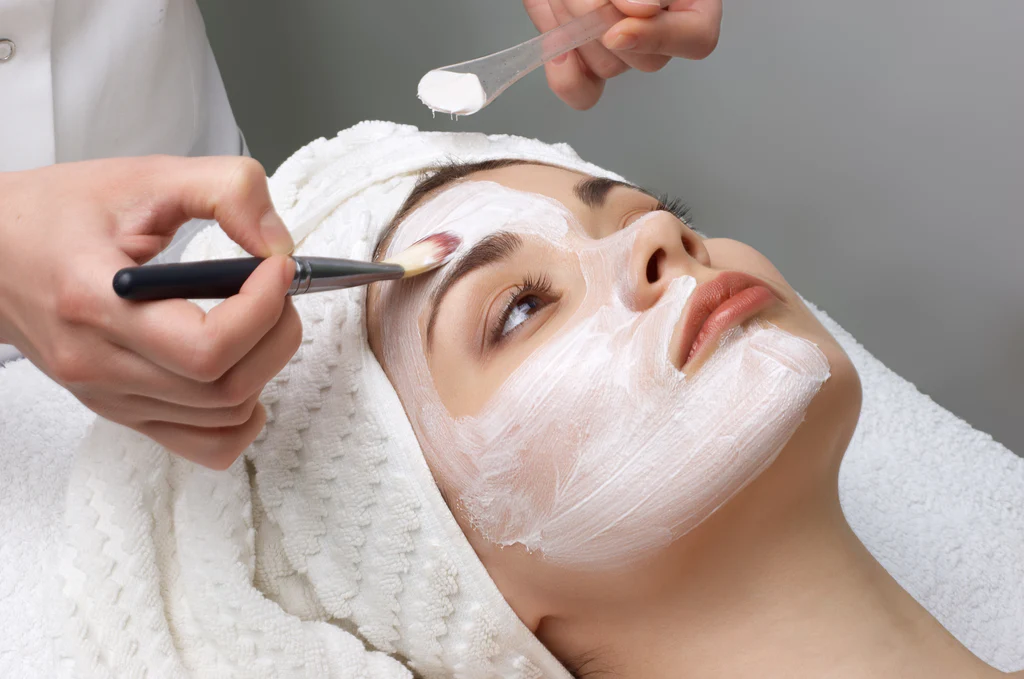
Gentle Hydrafacial
A deep cleanse by vacuum and simultaneous hydration. No friction, no irritating products. It leaves the skin clean, hydrated and calm. It's one of the best treatments for controlled rosacea because it works without inflaming.
Oxygen therapy (O2)
Application of pure oxygen combined with specific actives. Reduces redness, calms inflammation and improves the skin barrier. No heat, no needles, no aggression. Perfect after a flare-up.
Facial lymphatic drainage
Very effective for reducing congestion, redness and burning sensation. It works gently on the lymphatic nodes to drain the area. Many clients with rosacea notice a clear improvement from the very first session.
Soothing and reparative masks
With actives such as centella asiatica, aloe vera, hyaluronic acid, panthenol and thermal water. They restore the skin barrier and calm inflammation.
Facial mesotherapy (with a sensitive-skin protocol)
Always with products specific to reactive skin (no aggressive Vitamin C, no strong acids). It hydrates deeply and improves the resilience of the skin barrier.
Specific laser hair removal
Counterintuitive, but some types of laser (especially IPL with vascular filters) can actually improve rosacea because they target the small dilated blood vessels. Always with a prior assessment, never without diagnosis.
The five actives your skin needs at home
Rescue protocol when there's a flare-up
The triggers worth knowing about
Everyone has their own triggers, but there are common ones in rosacea and sensitive skin. If you keep a diary for a month, noting what you eat and how your skin reacts, you'll identify yours:
- Food: alcohol (red wine especially), very spicy dishes, hot drinks, chocolate, citrus, cured meats.
- Temperature: direct sun exposure, saunas, very hot showers, intense exercise in hot environments.
- Stress: emotional or physical (poor sleep, exhaustion).
- Strong wind and dry cold: they damage the skin barrier.
- Cosmetics: with alcohol, strong perfumes, menthol, camphor.
- Medication: some vasodilators can worsen the redness (check with your doctor).
What to expect over time
With the right approach, here's what you can realistically expect:
- At 4 weeks: less occasional reactivity, a more resilient skin barrier, fewer tight-skin episodes.
- At 3 months: a noticeable reduction in baseline redness, fewer flare-ups, skin visibly calmer.
- At 6 months: sustained stability, known triggers affect you less, the skin tolerates things it didn't before.
- At a year: the skin has learned to self-regulate better. You can start introducing more active treatments with supervision.
and not sure what to do?
Start with a personalised consultation where we analyse your skin type, your known triggers and design a plan of safe treatments together. I take the time it takes, without pressure and without selling you anything that isn't right for you. English-speaking, 25 minutes from central Madrid.