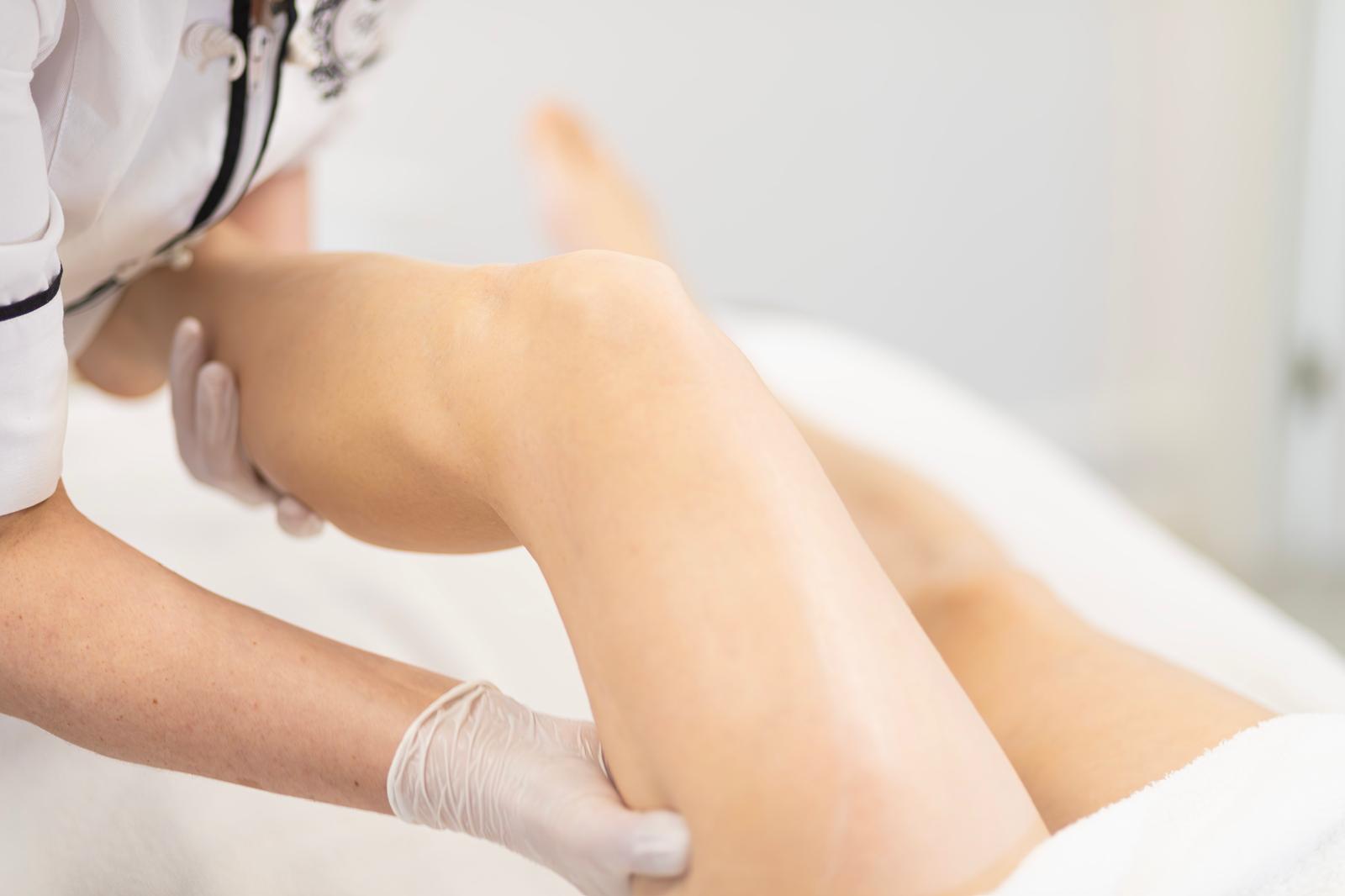
For over 15 years I've been hearing the same thing: "my legs feel heavy by the end of the day", "my ankles swell in summer", "I'm fine in the morning, but by evening it feels like I'm carrying rocks". If any of that sounds familiar, this article is for you. And the solution has a name: lymphatic drainage for legs. From our salon in Campo Real, 25 minutes from central Madrid.
Why do legs swell?
The legs are the part of the body most punished by gravity and inactivity. Blood goes down easily, but venous and lymphatic return has to work — literally — uphill. When that return fails, fluid builds up in the tissues: swelling appears, the heavy feeling sets in, the ankles "vanish" and legs stop feeling like your own.
The lymphatic system is responsible for collecting that excess fluid and returning it to the bloodstream. The problem is that, unlike the heart with blood, the lymph has no pump of its own. It depends on muscle movement, breathing and… manual drainage.
Did you know? The lymphatic system moves between 2 and 4 litres of lymph a day. When its function is compromised by heat, inactivity or hormonal shifts, that volume builds up in the tissues and produces the fluid retention so many people know all too well.
What exactly is lymphatic drainage?
It's not a relaxation massage. Manual lymphatic drainage is a very specific technique based on soft, rhythmic, entirely superficial movements that follow the path of the lymphatic vessels towards the drainage lymph nodes. Pressing hard doesn't help — it's counterproductive, because it would compress the very fine lymphatic vessels instead of activating them.
The technique we use at Esencia Estética follows the Dr. Vodder method, the international reference standard. Every session always starts with the neck and the inguinal nodes: you have to "empty the destination" before mobilising lymph from the limbs.
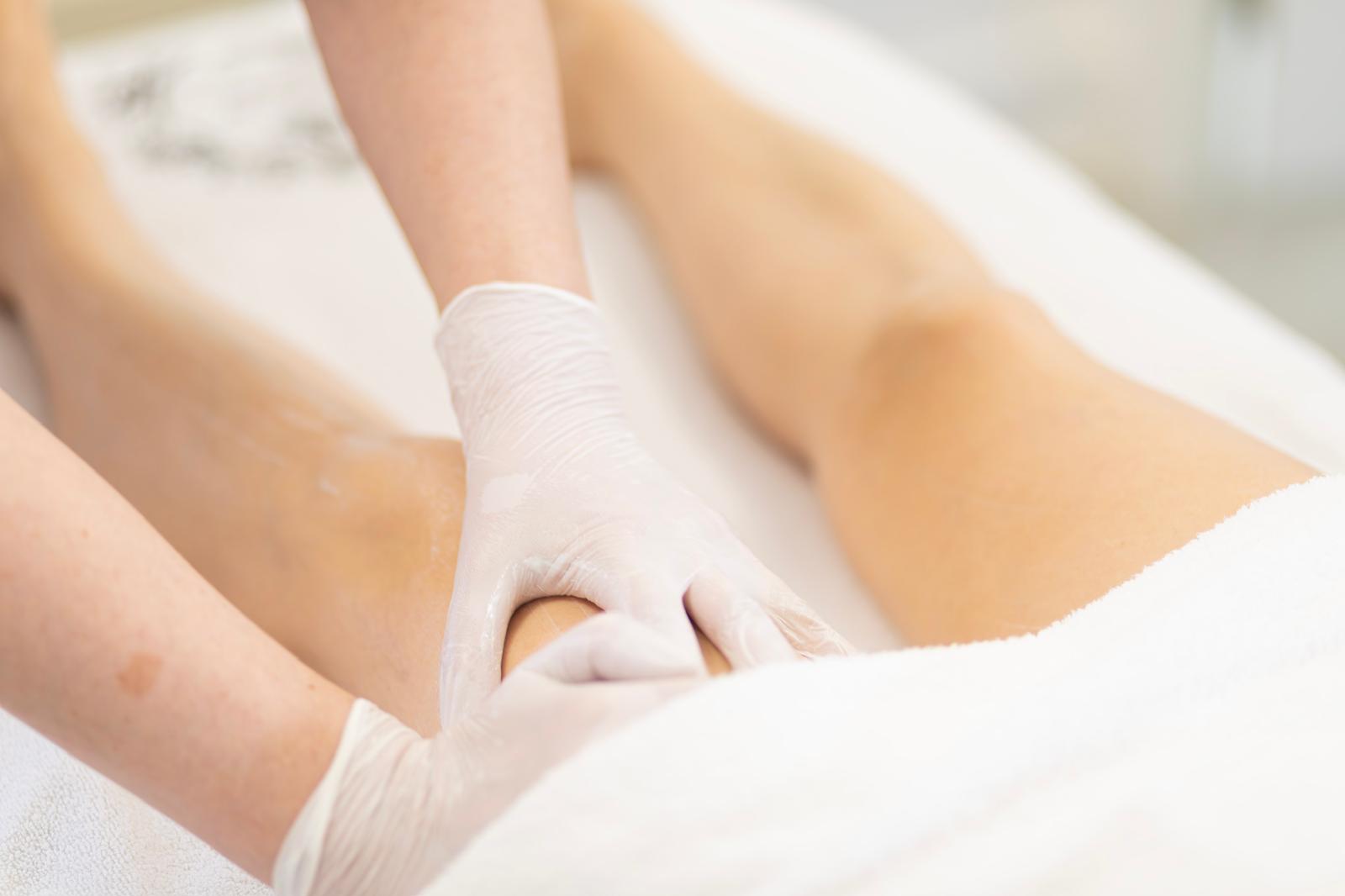
What to expect in each session
Benefits you'll notice from the first session
Who is it especially recommended for?
Leg lymphatic drainage is suitable for practically anyone, but there are profiles who benefit especially:
- People who work on their feet or seated for long hours: nurses, teachers, office workers, flight attendants…
- Pregnant women (from the second trimester, with medical clearance): pregnancy oedema responds spectacularly well.
- Post-operative recovery from knee, hip or any lower-limb surgery.
- Athletes looking to shorten recovery time.
- People with mild-to-moderate venous insufficiency (varicose veins, warm-legs sensation).
- Anyone who reaches summer and finds the heat makes them swell more than usual.
Carmen's tip: To maximise the result, drink plenty of water on the day of the session and the day after (at least 2 litres). Water helps eliminate the waste the drainage has mobilised. Avoid alcohol and excess salt in those 24 hours. And if you can, a short walk after the session activates the muscle pump and prolongs the effect.
How many sessions do I need?
It depends on your situation. For moderate retention and maintenance, one session every two weeks is enough. If retention is chronic or intense (legs that swell every day), we recommend an initial cycle of 6–8 sessions on a weekly or twice-weekly basis, followed by monthly maintenance.
The good thing about drainage is that results are cumulative: each session starts from a better baseline than the previous one. By the third or fourth treatment, most clients notice that the swelling takes longer to appear and that the days between sessions have also improved.
Contraindications: uncompensated heart failure, active deep-vein thrombosis, skin infections in the area to be treated, and certain active oncological processes. If in doubt, message me before booking and we'll assess it together.
or have any questions?
Message me on WhatsApp and I'll tell you everything with no obligation. I'll tell you whether drainage is what you need, how many sessions I'd recommend, and answer any question before you come in.