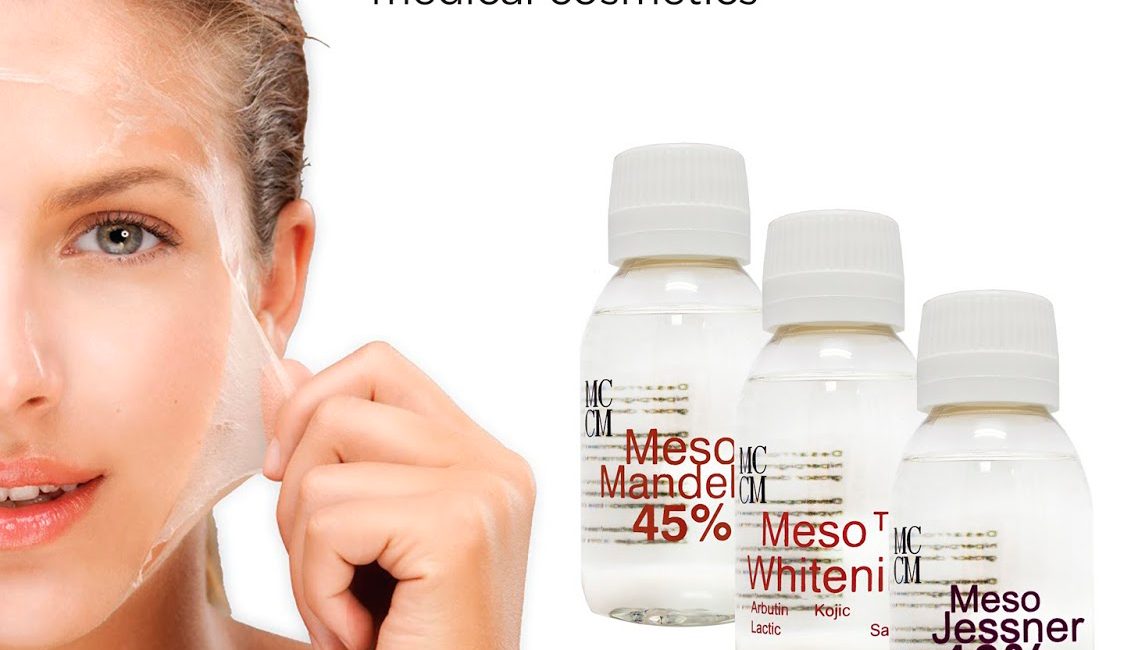
Every year the same thing happens. September arrives, you look in the mirror and discover you have more dark spots than in July: on the cheekbones, above the lip, on the neckline, on the back of your hands. Your first reaction is to want to start treating them straight away. And while the impulse is a good one, it's worth understanding why they appear now, why September–October is the perfect season to treat them, and which treatments really work. Here's the honest explanation, from our salon in Campo Real, 25 minutes from central Madrid.
Why more spots show up at the end of summer
Skin produces melanin as a defence mechanism. When it receives UV radiation, melanocytes release pigment to "absorb" the sun and protect cellular DNA. In summer that mechanism is on all day, every day. Two things happen:
- A tan temporarily evens out the skin. While you're tanned, existing spots are "camouflaged" because the rest of the skin has also darkened.
- As the tan fades, the spots become more visible. The overall tone drops, but the spots — which are areas of permanent pigment — drop more slowly. That's why they look "new" in September, even though they've actually been there for years.
On top of that, new pigment has been produced over the summer in predisposed areas. Existing spots have grown denser, and some new solar lentigos may have appeared from accumulated exposure.
Important: not all spots are the same. Before starting any treatment it's crucial to identify which type of spot you have, because the protocol changes. A hormonal spot (melasma) and a sun spot (lentigo) are not treated the same way.
The most common types of spots
In the treatment room we mainly see four types. Learning to tell them apart helps you understand what can be done:
Solar lentigos
The classic "age spots". Small brown spots with defined edges that appear on chronically exposed areas: cheekbones, neckline, backs of hands, forearms. They appear from years of accumulated sun exposure. These respond best to depigmenting treatments.
Melasma
More extensive, symmetrical patches with diffuse edges. They usually appear on the cheeks, forehead, above the upper lip and on the chin. They have a strong hormonal component: pregnancy, contraceptives, thyroid changes. These are the most resistant and require a more careful approach because heat and inflammation can make them worse.
Post-inflammatory hyperpigmentation
Marks that appear after an acne breakout, a wound, a burn or even a badly done treatment. They're the dark trace left by inflammation. They improve well with the right treatment, but can take months.
Freckles
Freckles are genetic and appear or intensify with sun exposure. They're not always treated — for many people they're part of their personality. If you want to fade them, they do respond to depigmenting products, but they come back with the sun.
Why September, October and November are the best months
This is the key question: why do you have to wait until autumn to treat dark spots? There are three solid reasons:
1. UV radiation has dropped
Depigmenting treatments and chemical peels leave the skin temporarily more sensitive to light. If we apply them in July or August with the strong sun, the risk of pigment rebound is very high: the spot comes back darker. In October, with less UV, the skin heals safely.
2. The skin is no longer in "defence mode"
After months of exposure, melanocytes are hyperactive. In summer, any stimulus (even a very gentle peel) can trigger more pigment. After a few weeks without intense sun, melanocytes "calm down" and treatments work better.
3. There's time for a complete protocol before the next season
A good depigmenting protocol is 4–6 sessions spaced every 2–4 weeks, plus maintenance. If you start in September, you finish in January–February, with the whole winter ahead to consolidate results without any risk of strong sun. You reach the following spring with your skin ready.
Golden rule: "If you want to see your skin spot-free next summer, start this September." Starting later works too, but you lose the window before radiation climbs again in March–April.
In-room treatments that work
There's no single magic treatment. Most effective protocols combine two or three techniques because a spot has several layers and origins. These are the ones that deliver the best results:
Depigmenting chemical peel
Controlled application of acids (mandelic, kojic, phytic, glycolic, retinoic, in different combinations depending on the case). It renews the surface layer and releases the trapped pigment. It's the base of most protocols. You notice it from the first session and it improves further from the third.
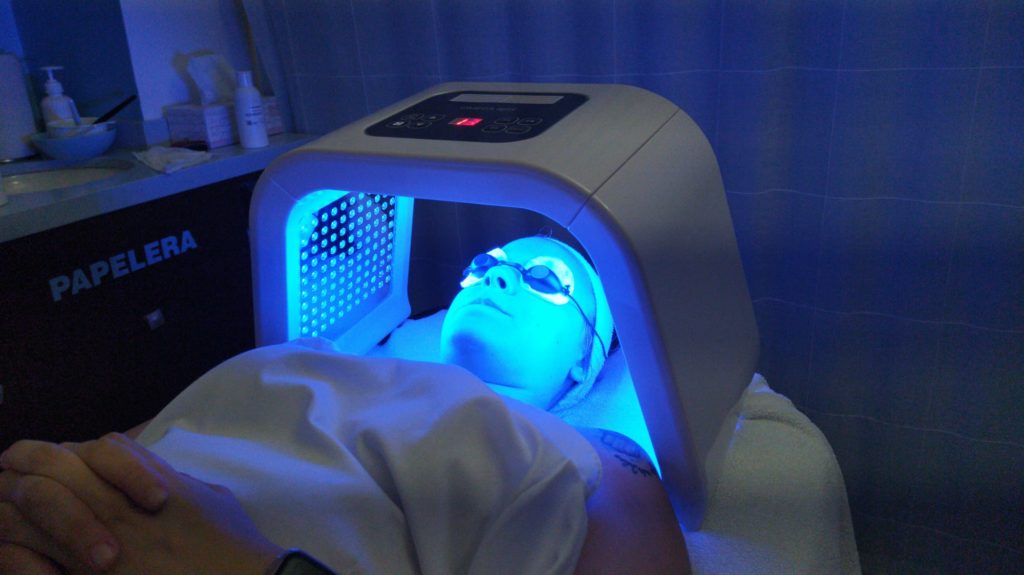
LED phototherapy
LED light in specific wavelengths. Red light calms post-peel inflammation and boosts regeneration. Combined with a peel, it reduces the risk of reactive hyperpigmentation and speeds up recovery.
Depigmenting mesotherapy
Microinjections of depigmenting actives (tranexamic acid, vitamin C, glutathione) directly into the dermis. It targets the spot from within, not just on the surface. Especially useful for resistant melasma.
Diamond-tip microdermabrasion
Controlled mechanical exfoliation. A good complement between peel sessions, especially for solar lentigos. Renews the surface and prepares the skin for home depigmenting actives to penetrate.
Active skincare at home
Non-negotiable. Without the home routine, in-room treatments deliver half the results. Key actives: niacinamide, tranexamic acid, stabilised vitamin C, azelaic acid, retinol and, in some cases, hydroquinone prescribed by a dermatologist.
The realistic calendar from September to February
What you should NEVER do
Just as important as knowing what to do is knowing what to avoid. These are the mistakes I see most often that tend to make spots worse:
- Applying lemon juice directly or other citrus home remedies. They cause phototoxicity: with sun exposure, the spot deepens.
- Buying "miracle" depigmenting products online without knowing what's in them. Many contain unauthorised concentrations of hydroquinone or acids at the wrong pH.
- Doing aggressive peels at home, especially if you've never had one before. The risk of burns and post-inflammatory pigmentation is high.
- Skipping daily sun protection. In winter too. Without SPF, any depigmenting treatment is a waste of money.
- Starting and stopping halfway. The first two sessions can look like nothing is happening. The real improvement comes between session 3 and 5.
- Fake tanners on active spots. Some pigment unevenly and make the look worse.
What you can realistically expect
To keep expectations honest, this is what we usually see with clients who follow the full protocol:
- After 1 session: more luminous skin, spots already look a little lighter, especially superficial ones.
- After 3 sessions: visible 30–40% reduction in solar lentigos; noticeable improvement in overall luminosity.
- After 6 sessions + home routine: 60–80% reduction in sun spots; melasma controlled but requires maintenance; skin regains uniformity.
- Follow-up maintenance: 1 monthly session + active routine = stable results. Without maintenance or protection, spots return within 1–2 summers.
The factor that most influences the result isn't the treatment you choose — it's the SPF you use every day, all year long. There are clients with modest treatments and spectacular results from sheer consistency with sun protection, and clients with powerful protocols and mediocre results because they keep exposing themselves without filter.
this season?
Book a consultation before September and I'll design a personalised plan: type of spot, realistic number of sessions, home products and calendar through to February. No ongoing commitment and with a closed quote.