You've probably seen the equipment: a machine with inflatable boots that looks more like an astronaut's suit than a beauty treatment. But behind that striking look is a technique with plenty of evidence, used both in aesthetics and in sports medicine. From our salon 25 min from central Madrid, here's what pressotherapy actually does, what it's for and when it makes sense to add it to your routine.
What pressotherapy is exactly
Pressotherapy is a technique that applies controlled, sequential pressure on the body through boots, wraps or sleeves connected to a compressor that inflates and deflates them by zones. The pressure mimics the natural movements of the lymphatic system, accelerating and boosting it.
Modern machines divide the garments into 4 to 8 independent chambers, which allows progressive work from the most distal areas (feet, hands) to the more proximal ones (thighs, abdomen). This mimics how venous and lymphatic return works physiologically.
One note: pressotherapy is not a recent trend. It has been used for decades in medical settings to treat post-surgical lymphoedema (for example, after lymph-node removal), chronic venous insufficiency and sports recovery. That it also works aesthetically is an added benefit on top of its real medical foundation.
What it really does
Here's the full list, separating what's proven from what's exaggerated. Because yes, there are things pressotherapy does very well, and others that it doesn't — no matter how they're sold to you:
What pressotherapy DOESN'T do (even if you're told otherwise)
Let's be honest. I've seen salons sell pressotherapy as a magic solution to everything. Let's clarify what not to expect:
- It doesn't get rid of cellulite on its own. It helps as a complement to other techniques, but it doesn't break fibrosis or act on the fat nodules. For real cellulite you need a combined protocol (massage, vacuum therapy, specific technology).
- It doesn't make you lose weight. What you lose after a session is fluid, not fat. If you weigh yourself after, you're lighter, but tomorrow you'll have replaced that fluid if your body needs it.
- It doesn't tone the skin. It slightly improves its appearance thanks to better circulation, but firmness and elasticity depend on collagen and elastin: for that you need other treatments.
- It doesn't replace exercise or diet. It's an aid, not a shortcut.
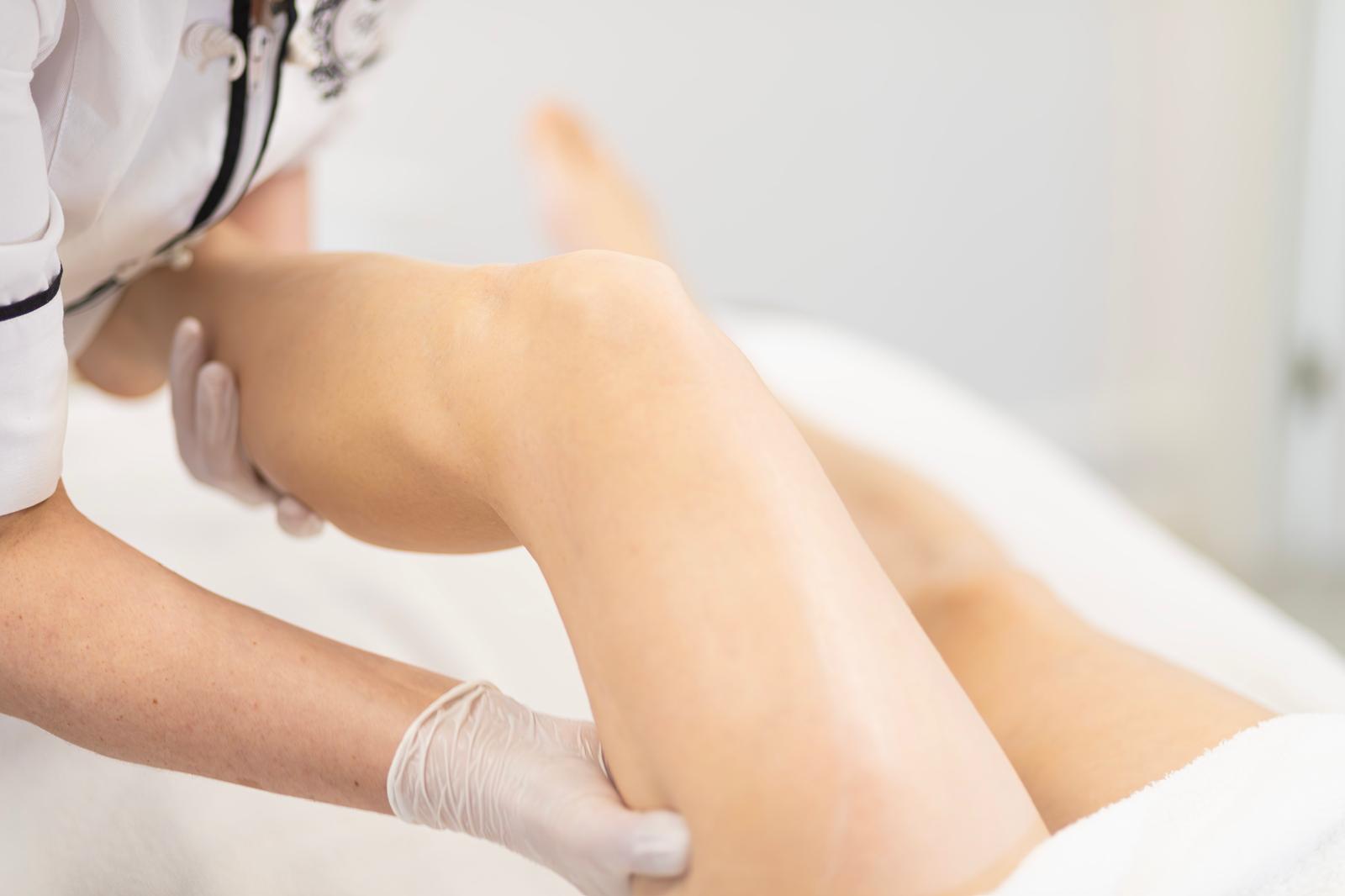
When it will really help you
These are the profiles for whom pressotherapy makes a noticeable difference:
When NOT to have pressotherapy
Just as there are clear indications, there are situations where it's contraindicated. This needs saying:
- Deep-vein thrombosis or recent history of it.
- Active skin infections (infectious cellulitis, erysipelas) in the areas to be treated.
- Pregnancy without medical clearance. Generally avoided.
- Uncompensated heart failure or severe kidney failure.
- Active cancer without your oncologist's clearance (it can be indicated in some cases of post-oncological lymphoedema, but always with medical supervision).
- Open wounds, recent fractures or trauma.
- Uncontrolled high blood pressure.
We always ask: before your first session we'll ask you a few basic health questions. If there's anything that contraindicates the treatment, we'll tell you. If we're not sure, we'll ask for confirmation from your doctor. It's not a formality: it's real safety.
What a real pressotherapy session looks like
Frequency and how many sessions you need
It depends on the goal:
- One-off session for an event (a wedding, a trip, "light legs for the weekend"): 1–2 sessions are enough. You notice it from the first.
- General maintenance (tired legs, mild retention): a session every 15 days, or monthly.
- Intensive treatment (anti-cellulite, pre-op, post-partum): 8–10 sessions, 1–2 a week over six weeks.
- Sports recovery: variable depending on training load, sometimes 2–3 sessions a week around competition peaks.
Combine it with…
Pressotherapy really shines when combined with other techniques:
- + Manual lymphatic drainage: pressotherapy does the heavy lifting; manual drainage refines tricky areas (abdomen, neck, face).
- + Cold wraps: synergistic effect for deep leg decongestion.
- + Wood therapy: to tackle cellulite with several tools at once.
- + Vacuslim 48: intensive body-contouring protocol.
What you'll notice after the first session
- Immediate lightness in the legs, especially if you came in with accumulated fatigue.
- Need to urinate: perfectly normal — it's the sign that drainage is working.
- Possible mild dizziness or thirst: drink water calmly, it passes in a few minutes.
- If you measure your circumference before and after: you'll see 1–2 cm less on calves and thighs. Part is eliminated fluid, part will return after you rehydrate, but the immediate effect is real.
- The day after: less swelling, better sleep the night before, less heaviness in the ankles.
pressotherapy?
If you have tired legs, fluid retention or want to add pressotherapy to support other treatments, book your first session. In the consultation we see whether it's what your body needs or whether it should be combined with another technique.