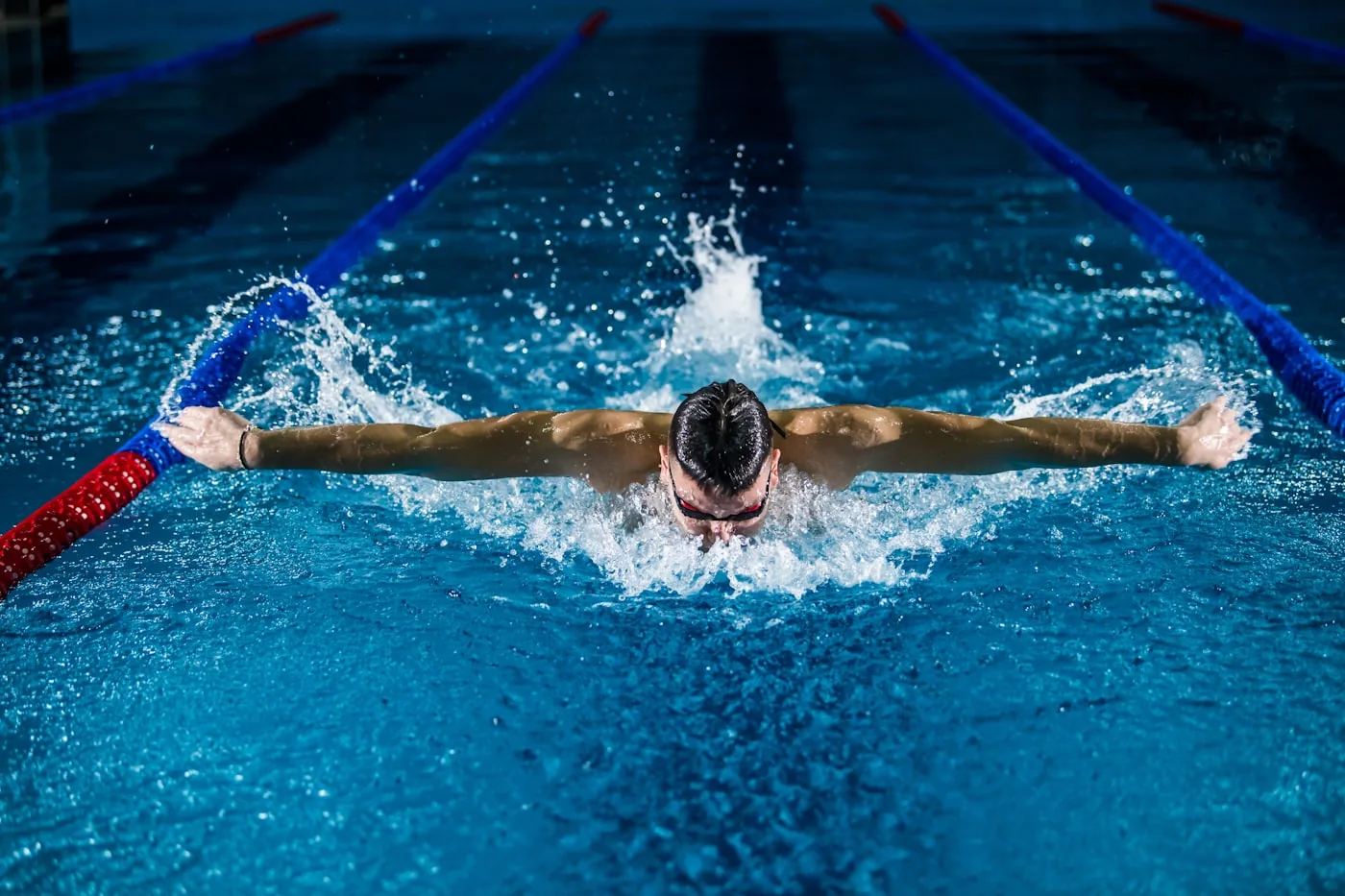
Everybody talks about the sun as the beach enemy — and it is. But the coast punishes your skin with many more aggressors that act at the same time, and hardly anybody names them. Salt, chlorine, sand, sea wind and persistent heat go about their silent work while you worry only about the SPF. And when you get back, the swollen legs and dull skin sum it up. Here are the 5 real aggressors, the routine that actually works, and what to do about the legs that can't take any more. Advice from our salon in Campo Real, 25 minutes from central Madrid.
The 5 invisible aggressors of the beach
Yes, the sun is first on the list. But the other four are barely mentioned and are responsible for at least half of the summer damage to your skin:
1. Sun (UVA and UVB radiation)
The famous one. UVA ages and creates dark spots, UVB burns. On the beach the UV index usually sits between 8 and 11 (very high or extreme) between 12 pm and 5 pm. Sand reflects up to 15-20% more UV upwards, so you're receiving radiation from two directions: from the sky and from the ground.
2. Sea salt
Dehydrates by osmosis: salt water pulls water out of the skin. And it leaves micro-crystals of salt as it dries, which increase sensitivity and tightness. If you don't rinse with fresh water after every swim, salt builds up in pores and folds.
3. Chlorine (pools)
Even more aggressive than salt on many skins. Chlorine is an oxidising chemical that breaks down the lipid barrier — the natural protective fatty layer — and leaves the skin defenceless. On rosacea, atopic dermatitis or sensitive skin, chlorine can trigger flare-ups within hours.
4. Sand
A natural mechanical exfoliant, for better and for worse. A bit of sand on the towel gives you a gentle peel that sometimes feels good. Too much — or over already sun-sensitised skin — creates micro-scratches that later sting, redden and let irritants in more easily.
5. Sea wind and persistent heat
Sea wind combines salty air with accelerated drying. Skin loses water faster in a constant breeze. And persistent heat sustains vasodilation for hours, which swells the limbs and activates existing hormonal or post-inflammatory dark spots.
In one sentence: SPF protects you from the sun, but without a supporting routine the other 4 coastal aggressors keep working. That's why many of you come back from holiday "burned from within" even when you say "I didn't burn".
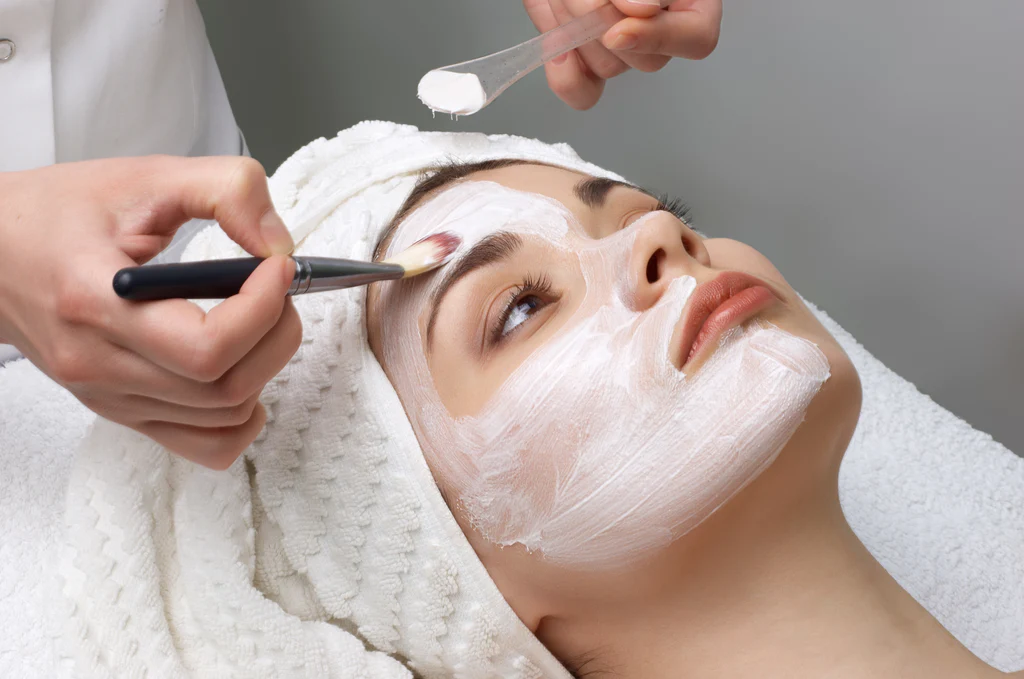
A 5-minute routine before heading down to the beach
Yes, 5 minutes. No more, no less. What you do before you head down makes the difference:
During the beach: the 2-hour rule
The most important one and the least followed. SPF is reapplied every 2 hours, ALWAYS, and always after:
- Swimming, even if the tube says "water-resistant" (real resistance lasts 40-80 minutes).
- Drying off with a towel (it wipes off the sunscreen).
- Sweating heavily.
A practical tip: set an alarm on your phone every 2 hours while you're at the beach. It might seem excessive, but it's what separates healthy skin from skin with new dark spots in September.
Aesthetician's tip: the central hours of the day (12-5 pm) are needlessly risky. If you can, make the most of early morning or late afternoon. The water is just as good and the skin will thank you all year long.
The golden hour after your swim
The 60 minutes after you come out of the water are crucial. The skin is hot, with pores dilated from the heat, and salt or chlorine settling on top. Use that window:
- Rinse with fresh, lukewarm water before the salt dries on you. No sudden cold water.
- Body aftersun with pure aloe vera or panthenol. Nothing perfumed — sensitised skin doesn't tolerate it well.
- Face: double cleanse if you've used water-resistant SPF (oil + gel).
- Repairing serum + rich moisturiser on the face.
- Drink half a litre of water. Rehydration starts from within.
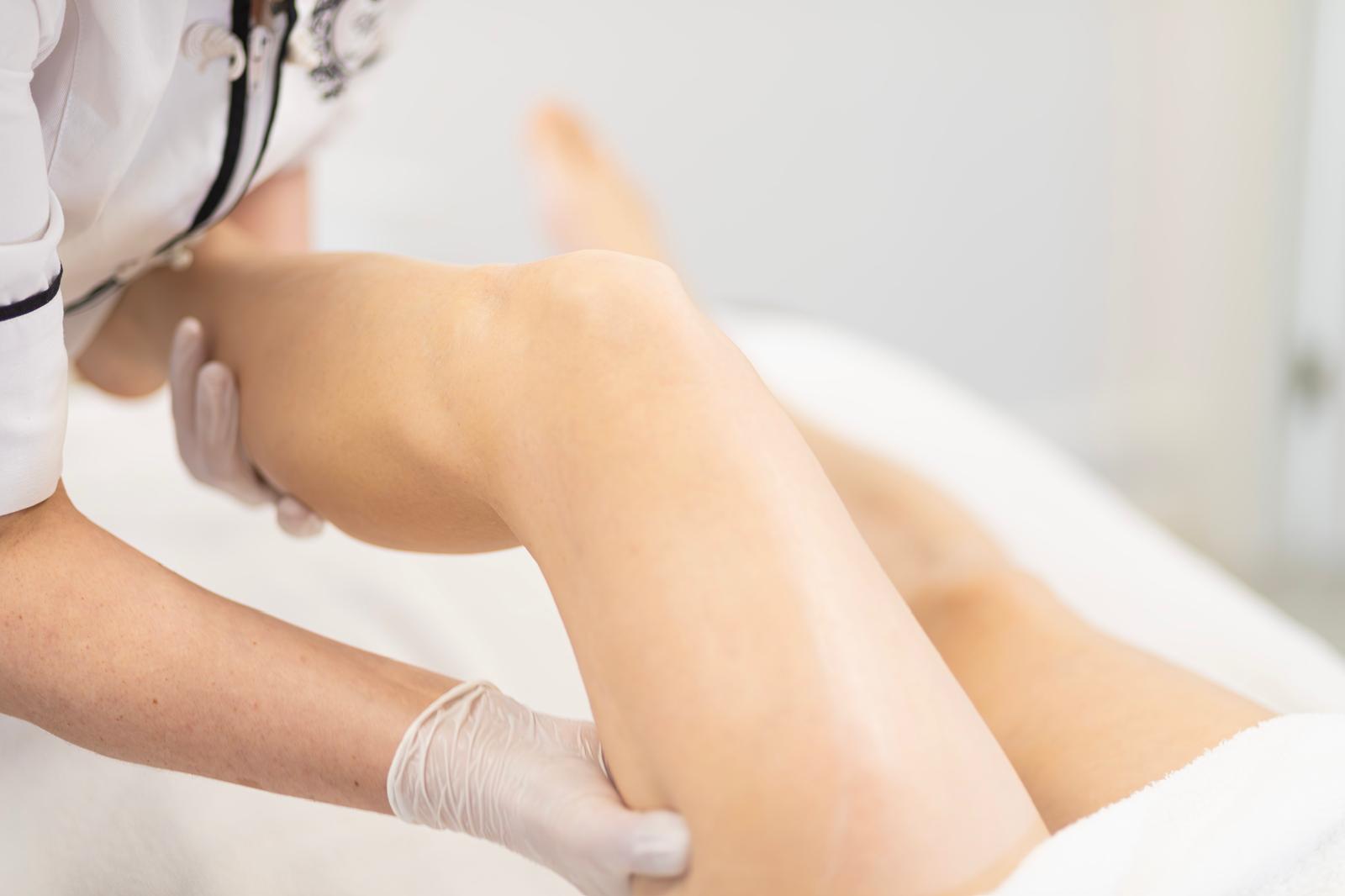
The swollen legs issue: yes, it's from summer
It's the second most common post-summer complaint we hear (the first is dark spots). Swollen, heavy, warm legs, sometimes with new spider veins. Many women assume it's their age or genetics. Most of the time it's a direct consequence of summer.
Why it happens
Sustained heat causes constant vasodilation in the lower limbs. Blood and lymphatic fluid pool because veins and lymph vessels work less efficiently in the heat. If on top of that you spend hours sitting at beach bars, lying on the towel or on long drives, venous return slows even more. Result: legs swollen by the afternoon, heavy sensation, marked ankles.
What you can do at home
- Cold water shower on the legs at the end of the day, from ankles to knees, 2-3 minutes.
- Sleep with your legs slightly elevated (a cushion under the mattress at ankle height).
- Walk barefoot along the shoreline: the pressure of the water and wet sand acts as a natural drainage.
- Reduce salt and increase potassium (banana, avocado, watermelon).
What we do in the treatment room when you come back
- Manual leg lymphatic drainage (€40): a specific manual technique that activates the lymphatic system and decongests. You feel relief from the first session.
- Pressotherapy (€18 per session): sequential air pressure that "milks" the legs from top to bottom. Ideal if you have significant retention.
- Drainage + pressotherapy combo: the most effective pack for legs badly hit by summer.
- Aquatherm facial (€85) as a bonus: if you use the visit for a hydrating facial too, the sense of "coming back to life" is complete.
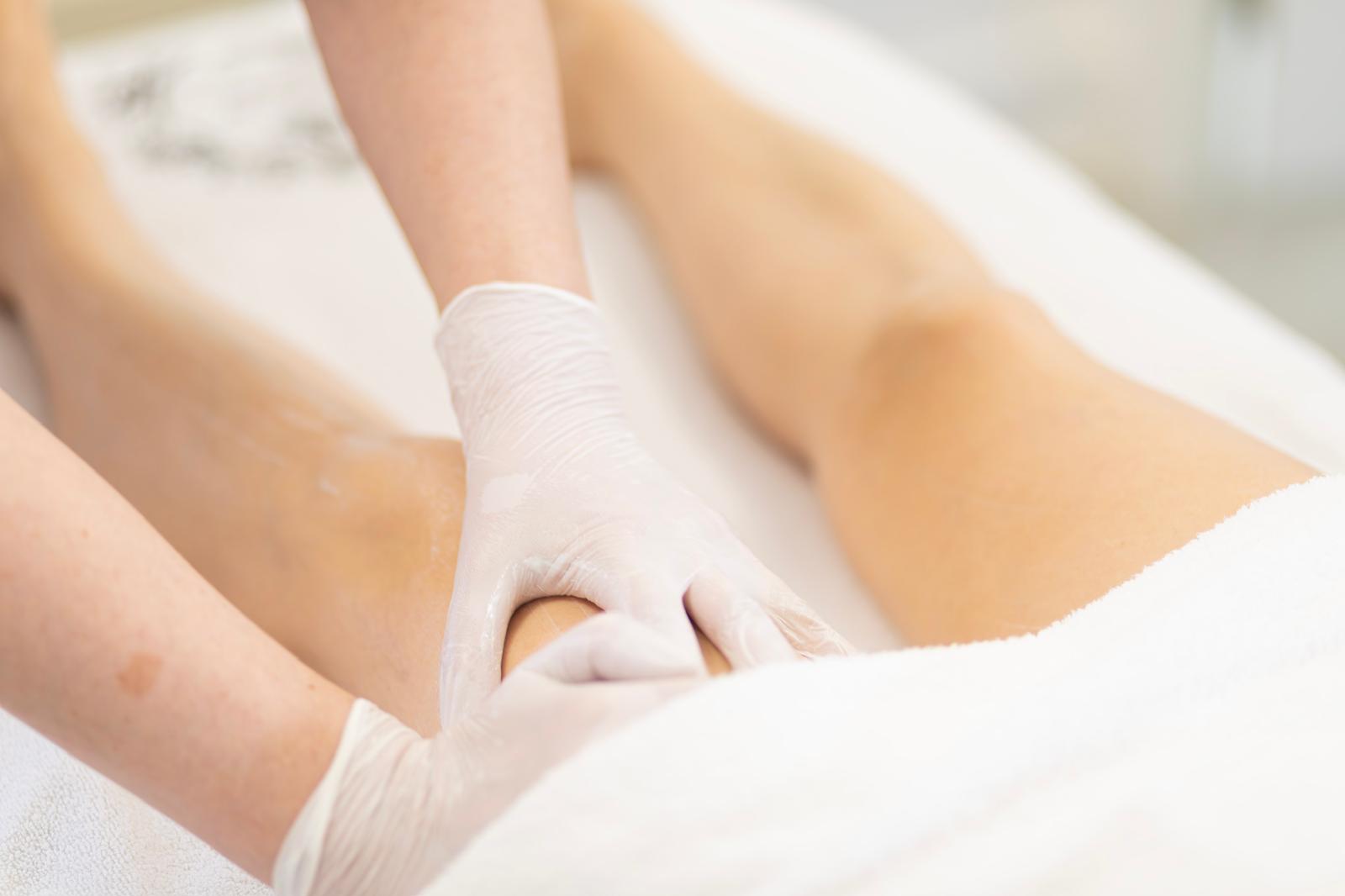
Signs your skin is asking for the treatment room
The home routine does 70% of the work. The remaining 30% comes from a professional when these signs appear:
Post-beach treatments according to what you need
If your priority is dark spots
Always start with the MEICET facial diagnosis (€15) — the camera detects subdermal spots you haven't seen yet but will show up in weeks. With that data Carmen decides whether the right treatment is a dark-spot protocol (depending on area/number), depigmenting mesotherapy, or a combination with exosomes. The final price is set after the assessment because it depends heavily on your case.
If your priority is hydration
- Hydradelux (€120): the most complete treatment — Hydrafacial + CO2 iPods + mesotherapy + radiofrequency + massage. A "reborn" feeling.
- Aquatherm facial (€85): more affordable intensive hydration, very effective for dehydrated skin.
- Hydrafacial (€80): cleansing + hydration in the same session, immediate luminosity.
If your priority is your legs
- Manual leg lymphatic drainage (€40): immediate relief from retention.
- Pressotherapy (€18): as a pack or standalone, ideal for maintenance.
- Cold body wraps + pressotherapy (€30): intense firming and decongesting effect.
If your priority is "I'm wrecked in general"
We recommend combining in one afternoon: deep-cleansing facial with oxygenation (€80) + leg drainage (€40). In 2 hours you walk out feeling like a different person. Many clients book it as a "post-holiday reward" the first weekend of September.
Frequently asked questions about beach skin care
Which is worse for the skin — sea salt water or pool chlorine?
Both are aggressive but act differently. Salt dehydrates by osmosis and leaves micro-crystals. Chlorine is an oxidising chemical that breaks the lipid barrier and dries more aggressively. On sensitive or rosacea-prone skin, chlorine is usually the bigger problem. Rinse with fresh water after every swim and apply moisturiser within the next 60 minutes.
Why do my legs swell at the beach even if I don't walk much?
Because of vasodilation caused by sustained heat. Blood and fluid pool in the lower limbs. A manual lymphatic drainage (€40) or pressotherapy (€18) when you get back from holiday brings a lot of relief and helps prevent spider veins.
What is the best post-beach routine?
The golden-hour rule — the first 60 minutes after your swim. Fresh, lukewarm-water shower, double facial cleanse, serum with soothing actives (panthenol, centella), a rich moisturiser and body aftersun. Avoid exfoliants that day.
When should I book a facial after a beach summer?
If you notice new or intensified dark spots, persistent tightness, flaking, dull skin, or more visible pores. We start with a MEICET facial diagnosis (€15) and decide the protocol — Hydradelux (€120), Aquatherm (€85), Vitamin C (€85) or a specific dark-spot treatment based on the diagnosis.
and legs that are done in?
We help you recover with what you actually need — without overselling. We start with the MEICET facial diagnosis (€15) to see the real state of your skin and, if legs are an issue, we assess whether drainage, pressotherapy or a combination is best. Book on WhatsApp — no obligation.